A Firsthand Record of the Historic Twilight Hunts of Albert County, New Brunswick
ABOUT THE OUTDOORSMAN: JAMES AMOS FORD (1882–1979)
Born in the rugged Appalachian mountain country of Goin, Claiborne County, Tennessee, James Amos Ford immigrated north to New Brunswick, where he became a respected cornerstone of the Moncton community. As the prominent plant manager of the massive Swift & Company meatpacking facility, James possessed an expert, professional knowledge of animal tracking, processing, and woodsmanship.
When he journeyed into the wild, he carried his camera to document his expeditions. Upon returning to the city, his film was developed by The Reid Studio on Main Street in Moncton, emerging with distinctive, elegant art-deco borders. On the backs of these prints, James carefully penned meticulous geographic coordinates, creating a living map for his beloved daughter, Ruth Laura Ford (later Densford).
CHAPTER I: THE OCTOBER 1930 HUNT & THE ALEXANDER BOYS
In the autumn of 1930, James traveled south from Moncton to the steep hills near Riverside-Albert, aiming to hunt the remote high plateau of New Ireland. Long abandoned by its original Irish pioneer settlers, the high plateau had reclaimed its wild roots, turning into a dense, roadless softwood thicket—prime territory for massive bull moose. To navigate this unforgiving terrain, James teamed up with the “Alexander boys,” local valley lads who knew the woods like the back of their hands.
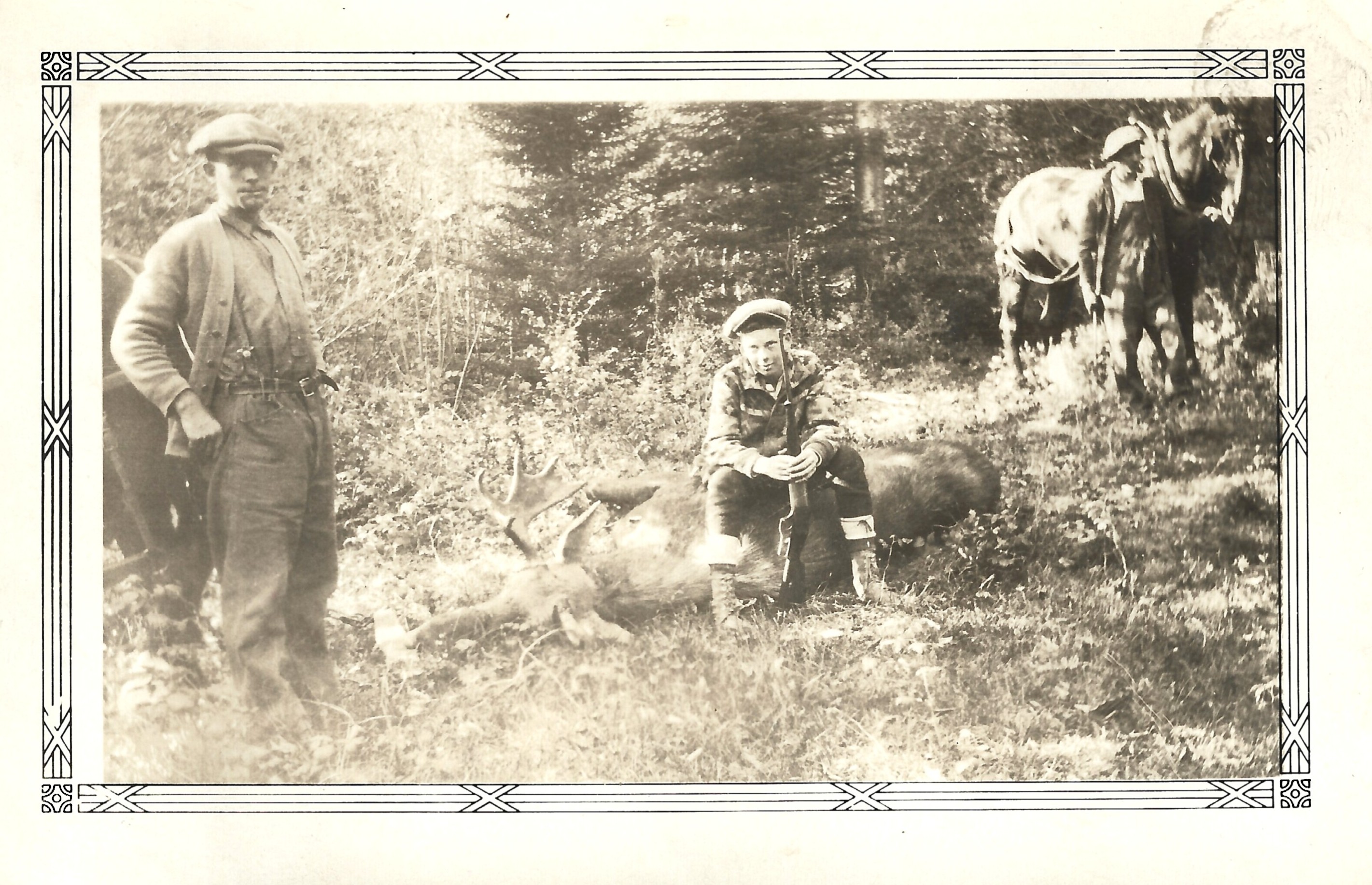
Photo 1 [In the Clearing]: Muscling the Moose Out
The ultimate triumph of the harvest. A young Allan Alexander (around 15 years old) sits proudly atop the downed moose clad in classic maritime hunting gear: a heavy patterned plaid mackinaw jacket, high wool socks, and lace-up boots. To the left stands his older brother in a flat newsboy cap and suspenders. Behind them is the secret to their success: a heavy team of logging workhorses harnessed together, used to physically haul the 600-to-1,000-pound prize out of the roadless spruce thickets.
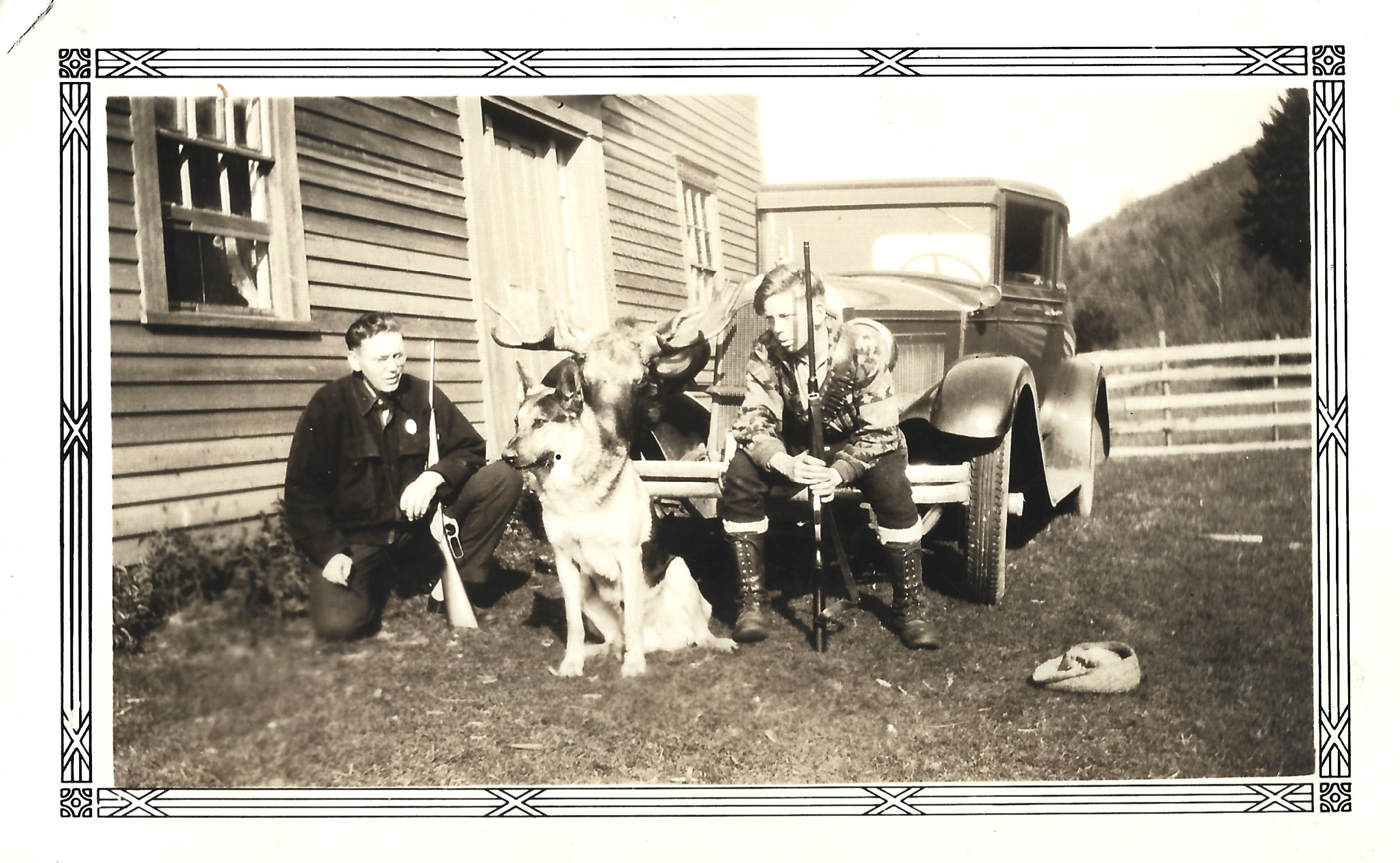
Photo 2 [At the Farmstead]: Bringing the Prize to Civilization
The hunting party gathers next to a weathered country homestead at the edge of the hills. James Amos Ford kneels proudly on the left in a clean work jacket, holding his rifle alongside his magnificent German Shepherd tracking dog. The younger Alexander boy sits on the front bumper of their late-1920s vehicle, where the massive moose head and antlers have been securely strapped across the radiator grille for the journey home.
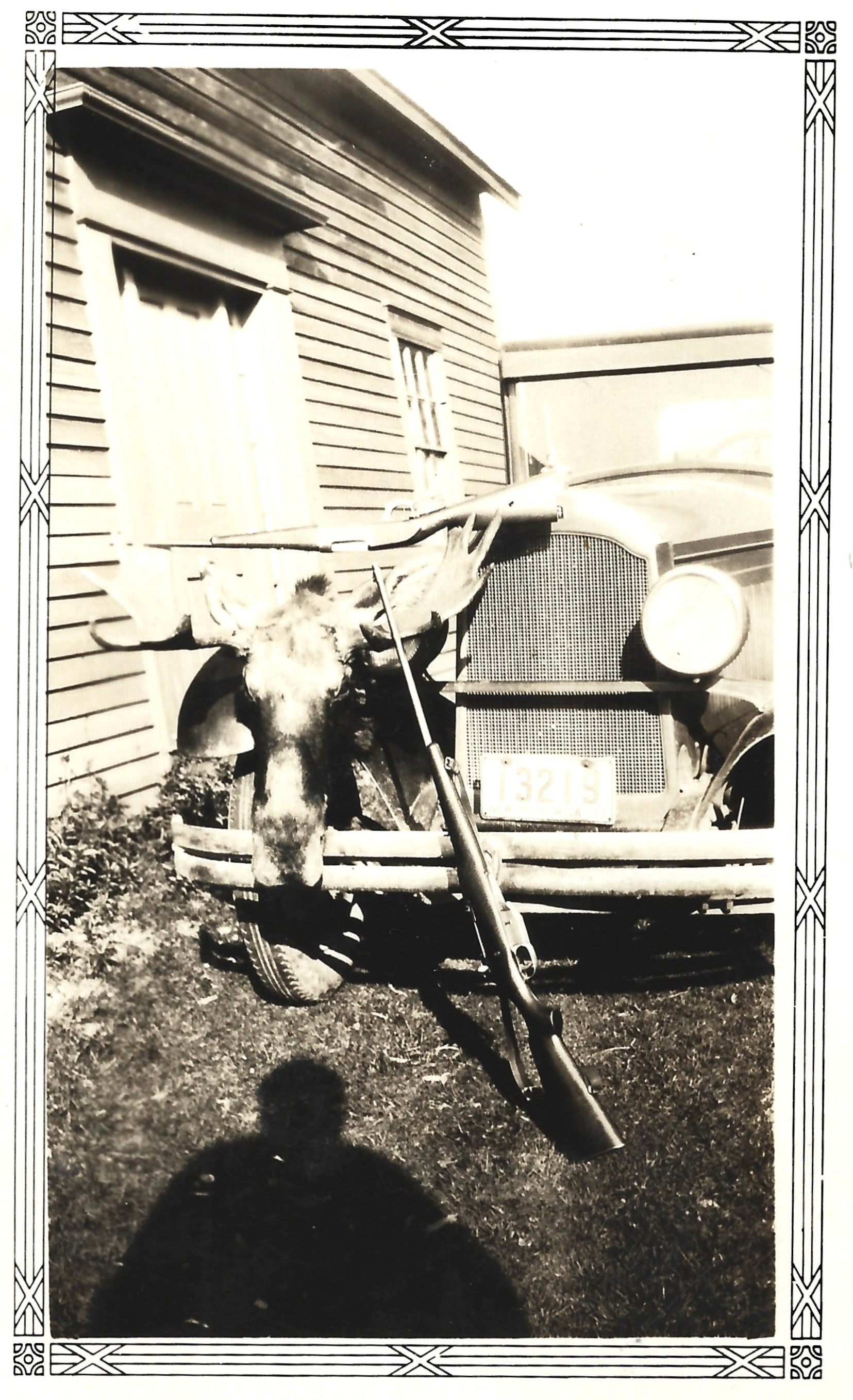
Photo 3 [Vehicle Close-Up]: The Model A Ford & The Shadow
A tight frame showcasing the ultimate hunting trophy. Resting against the mesh radiator grille of a classic Model A Ford is James’s heavy-caliber hunting rifle. The New Brunswick license plate ends in 3219. At the very bottom of the frame, the bright October sun casts a distinct silhouette: the shadow of James Amos Ford himself wearing a classic 1930s brimmed fedora, capturing a solo portrait of his gear before hitting the dirt roads back to Moncton.
CHAPTER II: THE NOVEMBER 1934 HUNT AT MCPHADDEN BROOK
Four years later, a thick blanket of winter snow had already laid over the high plateau when James returned to New Ireland for what would be one of the province’s final legal moose seasons (before a permanent conservation ban took effect in 1936). On the freezing morning of November 17, 1934, James tracked his quarry deep into the Acadian woods, pushing past the old Canada Road—the historic wagon and stagecoach trail cutting across the plateau.
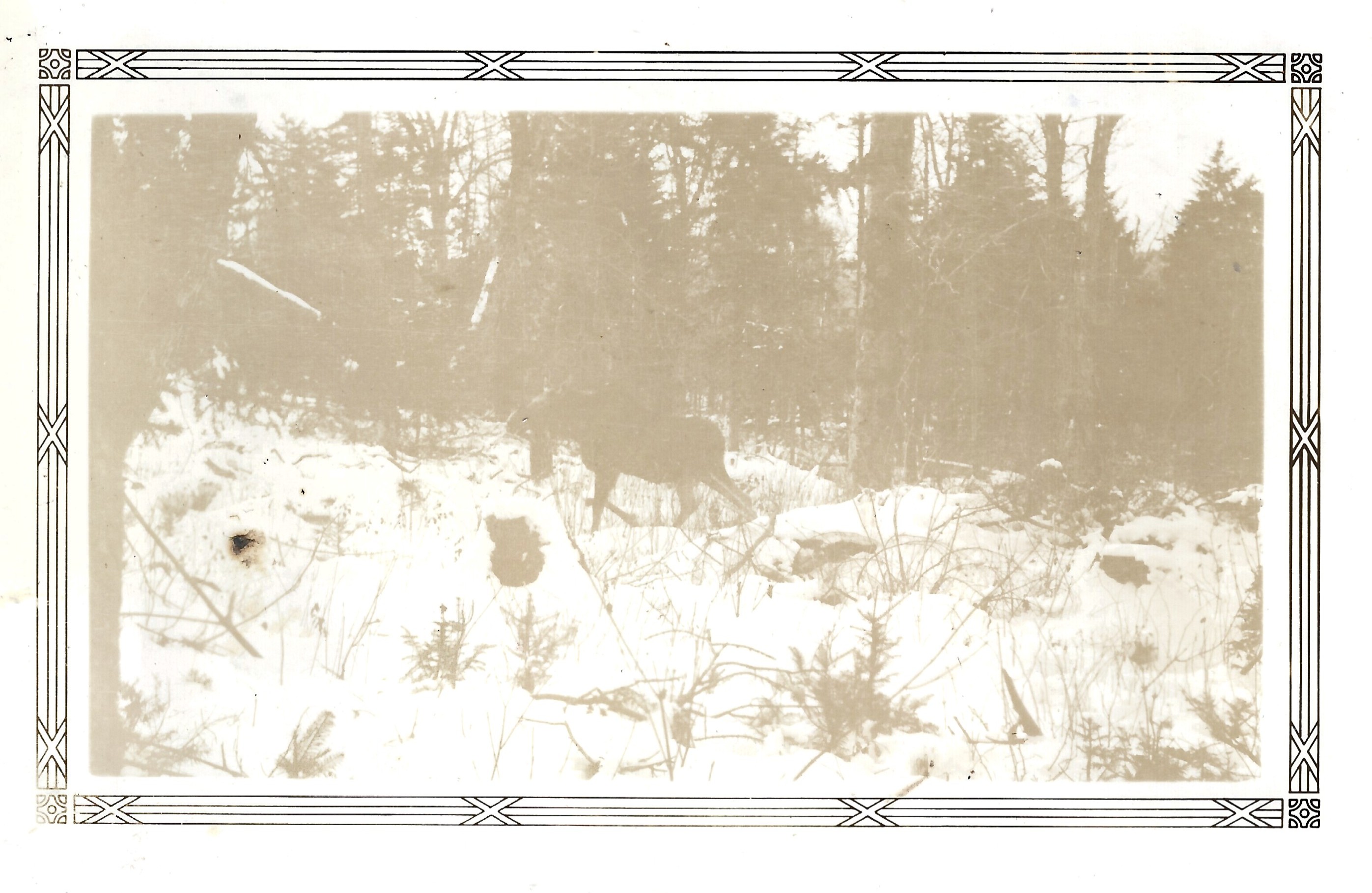
Photo 4 [Live Action]: Tracking the Target in the Deep Snow
A stunning, rare wildlife capture. James quieted his movements in the freezing brush to take a live action shot of the female moose (“cow”) as she navigated an opening in the dense forest. Standing out dark against the deep, undisturbed snow, the animal is framed by low winter brush and a rising canopy of spruce and fir. On the back, James wrote to his daughter: “Ruth—This cow just off old Canada road not more than halfway from our camp to the old ‘Daily Place.’ J.A.F. 11/25-34.”
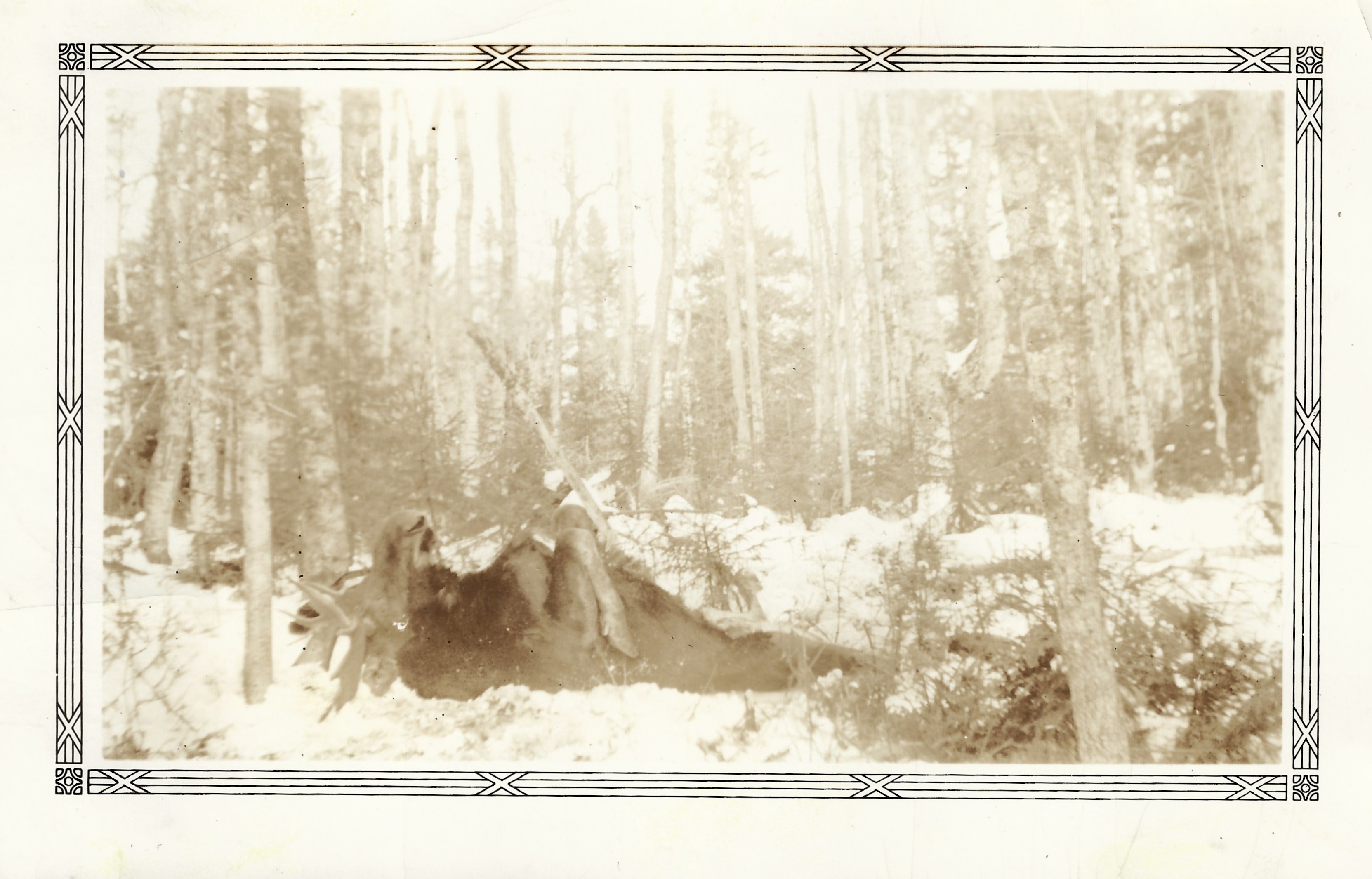
Photo 5 [Carcass in Snow]: The Harvest at McPhadden Brook
Recorded at exactly 11:10 AM. The moose lies embedded in the snowdrifts, framed by snow-dusted birch trees along the banks of a small winter stream known locally to the woodsmen as McPhadden Brook. The location sat right near the edge of “the old Daily Place”, the overgrown clearing of the pioneer Philip Daley family homestead. A long wooden pole is propped against the animal, ready to be used as a lever to handle the massive weight in the freezing elements. On the reverse, James carefully recorded the exact location for history: “Moose Kill Nov 17th 1934, 11:10 am. On McPhadden Brook, New Ireland, Albert County, New Brunswick, Canada.”
CHAPTER III: THE RETURN TO SPURR STREET
Once the winter hunt was completed, the team packed their prize onto James’s updated, streamlined 1933/1934 Ford V8 sedan to make the long drive back from the logging roads of Albert County into the urban core of Moncton.
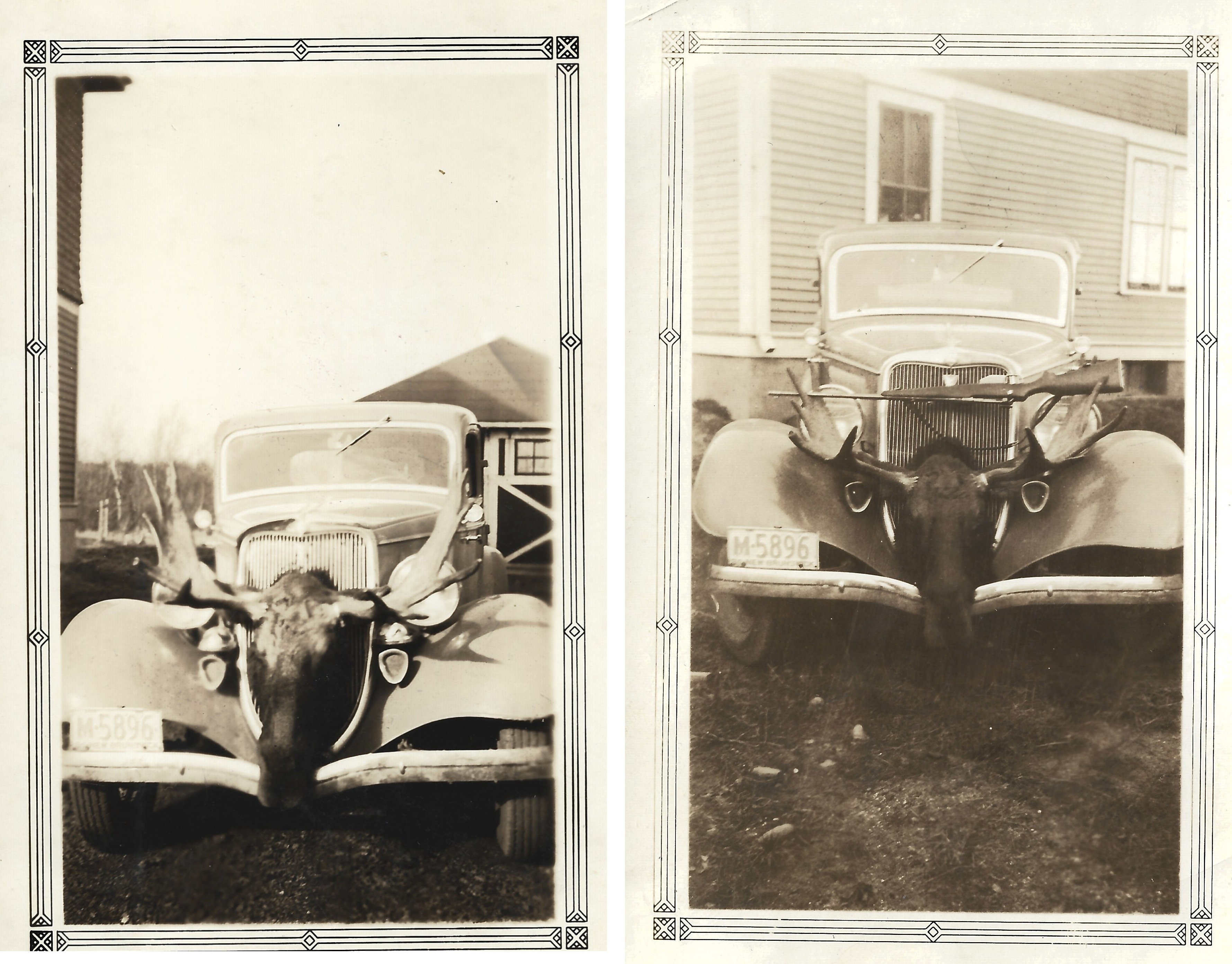
Photos 6 & 7 [Vehicle Grille]: The Journey Back to Moncton
Close-up shots showing the trophy head securely lashed across the sweeping front fenders and slanted, V-shaped radiator grille of the modern Ford V8. The heavy-caliber rifle rests across the antlers, and the New Brunswick license plate (M-5896) clearly anchors the vehicle in time.
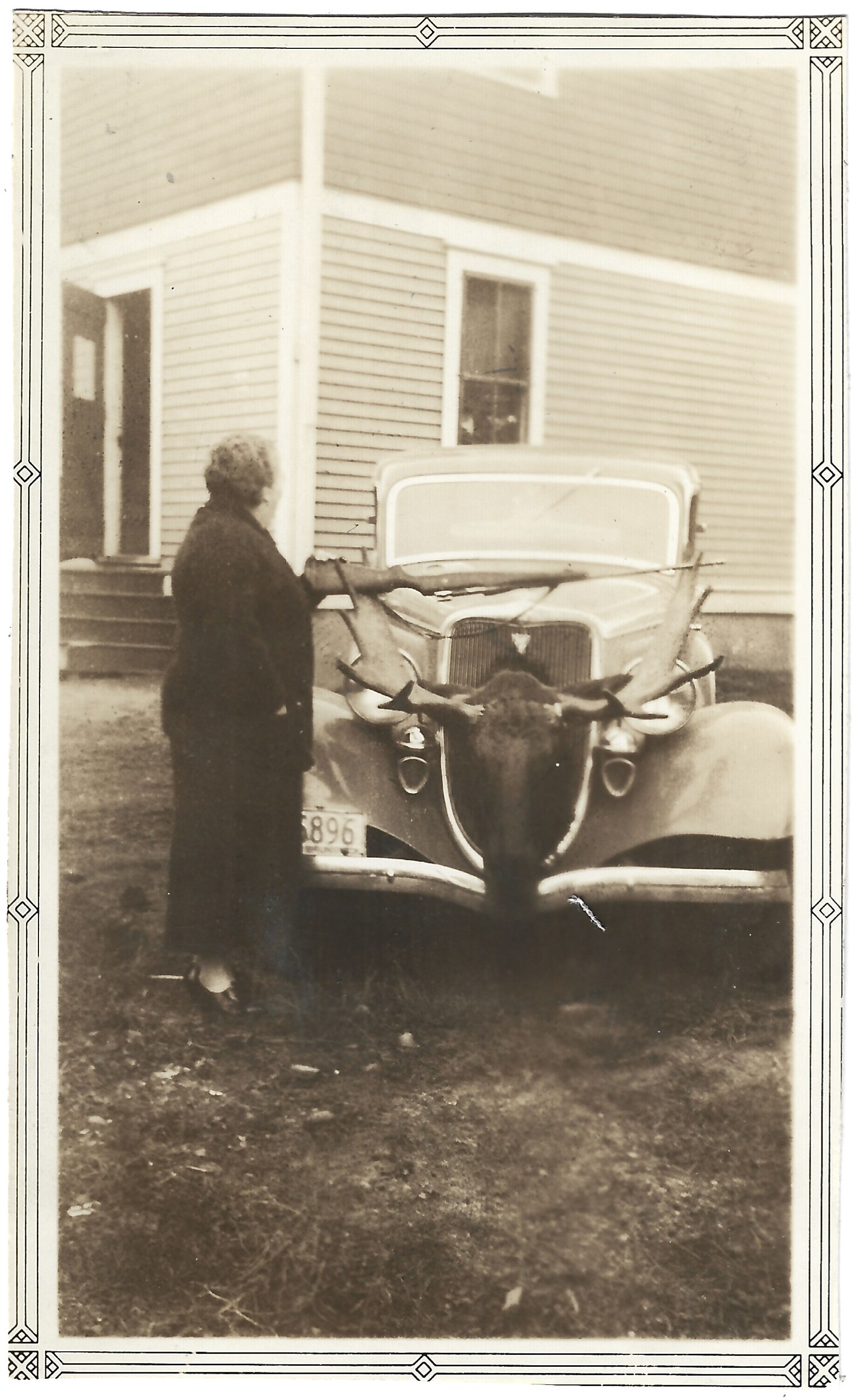
Photo 8 [The House]: A Welcome Home at 147 Spurr Street
The adventure comes full circle, captured right in the driveway of the Ford family home at 147 Spurr Street, Moncton. Standing outside the door of the large, two-story clapboard house is a woman—almost certainly James’s wife, Naomi—dressed in a classic 1930s heavy winter coat. She stands by the driver’s side fender, resting her hand curiously on the stock of the hunting rifle, marveling at the wilderness trophy brought home to the city where her daughter Ruth grew up.
These photographs are a vivid, beautifully documented record of a lost era in Canadian history. Through James Amos Ford’s meticulous handwriting and sharp eye, our family is left with a breathtaking, firsthand look at the wild, rugged terrain our ancestors walked, the community connections they forged, and the deep love an outdoorsman father shared with his daughter, Ruth.
.
.
.
.
.

